Ornamental Divider Review
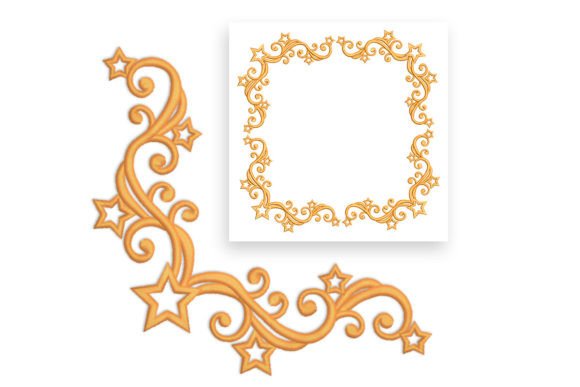
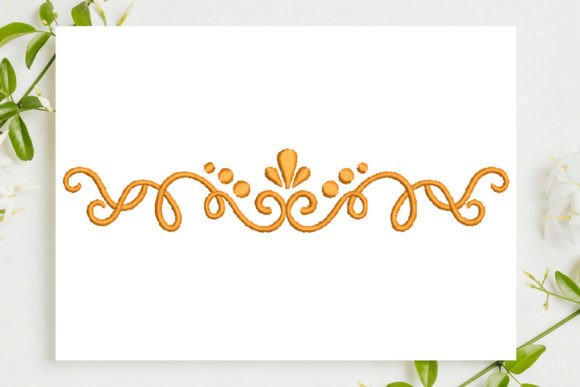
As a designer who’s spent years working with machine embroidery design, I always start by evaluating a new embroidery file with a critical eye. The Ornamental Divider is one of those designs that feels like it was made for the right project—but not every project. Its swirling scrolls and delicate details are elegant, but they also demand careful consideration in application.
The First Impression
When I first saw the Ornamental Divider, it immediately evoked a sense of refinement. The pattern is soft yet intricate, with flowing lines that suggest movement and grace. It doesn’t scream for attention, but it commands it through its visual presence. This design would work best on projects that aim to feel timeless or upscale—think custom apparel, baby items, or holiday gifts.
The layout is balanced, with enough negative space to prevent it from feeling overwhelming. But that same balance could be a double-edged sword. If you’re using it on a small hoop size, the details might get lost. That’s something to keep in mind when choosing where to place it.
Real-World Embroidery Performance
I tested the Ornamental Divider on several fabrics to see how it performed in real-life situations. On a standard cotton tote bag, it looked great. The satin stitch and fill stitch worked well, and the design didn’t pucker or distort. But when I tried it on a thin, stretchy fabric like a t-shirt, the stitches pulled slightly, especially around the edges. That’s a common issue with detailed designs on certain materials.
For custom apparel, this design could be a strong addition, but it’s important to consider the type of garment. Sweatshirts and tote bags are ideal, but caps or baby clothes might require some adjustments. The swirling patterns could be too dense for a cap’s curved surface, leading to stitching issues or an uneven look.
Where to Use It Carefully
The Ornamental Divider is perfect for flat, stable surfaces. But it can be tricky on textured fabrics, dark backgrounds, or anything that requires frequent washing. If you’re planning to use it on a baby onesie or a kitchen towel, make sure the thread colors contrast well with the fabric. Otherwise, the design might fade into the background or become hard to see.
Another thing to watch out for is the stitch density. If the design is too dense, it could cause the fabric to stiffen or the stitches to bunch up. That’s especially true for applique design or when working with layered garments. Always test the design on scrap fabric before committing to a final project.
Impact on Visual Appeal and Customer Perception
One of the biggest advantages of the Ornamental Divider is how it elevates the visual appeal of any finished product. Whether it’s a handmade product or a commercial embroidery project, this design adds a touch of sophistication that can make a big difference in customer perception.
For Etsy sellers or small shop owners, this design could be a valuable addition to your digital embroidery file collection. It’s versatile enough to work on a variety of items, from pillow covers to printable mockups. But it’s also subtle enough that it won’t overpower a simple design concept.
When used correctly, the Ornamental Divider can increase the perceived value of a product. Customers often associate intricate detailing with quality, so this design could help boost buyer engagement and trust in your brand.
Practical Designer Notes
Before using the Ornamental Divider in a real project, I recommend testing it on different fabrics. Check how the thread colors interact with the background, and make sure the stabilizer is appropriate for the material you’re using. For example, a lightweight stabilizer might be better for a thin fabric, while a heavier one could be needed for a thick sweatshirt.
If you’re planning to sell finished products, always confirm the licensing terms. Some designs have restrictions on commercial use, and it’s important to know what you’re allowed to do with the embroidery file. Also, consider how the design will look in black and white mockups—this can help you understand how it will appear in different lighting conditions or on various fabrics.
For craft business owners, this design could be a good fit for personalized gifts or boutique products. But it’s important to think about the target audience. If your customers are looking for something modern and minimal, the Ornamental Divider might not be the best choice. However, if you’re targeting a more traditional or elegant market, this design could be a hit.
Best Fit for Projects
The Ornamental Divider is ideal for projects that benefit from a decorative touch without being too flashy. It works well as an embroidered patch, a border for a pillow cover, or a detail on a holiday gift. It’s also a good option for custom apparel that needs a bit of flair, like a tote bag design or a sweatshirt embroidery.
That said, it’s not the best choice for everything. If you’re working on a project that requires tiny lettering or a lot of text, this design might not be suitable. Similarly, if you’re planning to use it on a curved surface like a cap, you’ll need to adjust the design or choose a simpler alternative.
In the end, the Ornamental Divider is a great addition to any embroidery project that needs a touch of elegance. It’s not a one-size-fits-all design, but when used in the right context, it can add a level of sophistication that sets your work apart.