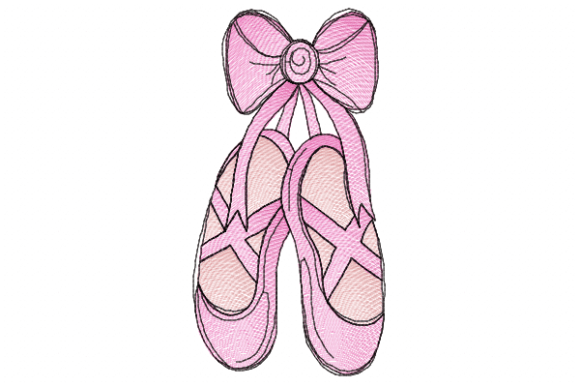
Ballet Shoes Embroidery Design
As an embroidery designer and product reviewer, I’ve evaluated countless machine embroidery designs, but few have the quiet elegance of Ballet Shoes. This design is a subtle yet powerful addition to any embroidery project, especially when used in the right context. Whether you're creating custom apparel, personalized gifts, or small business merchandise, Ballet Shoes offers a refined visual appeal that can elevate your work.
The First Impression: A Delicate Balance of Form and Function
From the moment I saw Ballet Shoes, I was struck by its simplicity and sophistication. The design features clean lines, soft curves, and a sense of movement that feels almost like a dance. It’s not overly intricate, but it has enough detail to make it stand out without overwhelming the fabric it’s stitched onto. The layout is well-proportioned, making it versatile for different sizes and placements.
This embroidery design seems to belong on a shirt, a tote bag, or even a baby onesie. Its theme is timeless, which makes it suitable for a wide range of projects. The visual personality of Ballet Shoes is understated but elegant—perfect for those who appreciate subtlety in their handmade products.
Real-World Use Cases: Where Ballet Shoes Shines
I tested Ballet Shoes on a variety of fabrics and projects to see how it would perform in real-life scenarios. One of the first applications I considered was a custom embroidered tote bag. The design looked great on a light-colored canvas, with the satin stitch giving it a polished finish. It wasn’t too dense, so it didn’t add unnecessary bulk to the fabric.
On a sweatshirt, Ballet Shoes worked well as a front design. The stitch density was just right, and the placement allowed the design to be the focal point without overshadowing the rest of the garment. For a baby item, such as a onesie or a blanket, the design added a touch of charm without being too complex for delicate fabrics.
Another use case I explored was an embroidered patch. The design translated well into a patch format, with clear details and good stitch coverage. It could easily be sewn onto a jacket, backpack, or even a cap, making it a versatile option for custom apparel and accessories.
Where to Be Cautious: Limitations and Considerations
While Ballet Shoes is a strong design, there are certain situations where it may not perform as well. On small hoop sizes, the design might require multiple hooping steps, which could be time-consuming. If you're working with textured fabrics or thin materials, the stitches might not lay flat as smoothly as they do on standard cotton or linen.
On dark fabrics, the contrast between the thread color and the background becomes more important. If the thread is too light, the design may not show up as clearly. Similarly, on stretchy or layered garments, the design might pucker or distort if not properly stabilized.
For curved surfaces like caps or hats, the design may need some adjustment to ensure the stitches follow the shape without distortion. In areas with detailed corners or tiny lettering, the design could become less defined, so it's best to test it on scrap fabric before committing to a final project.
Impact on Visual Appeal and Customer Perception
Ballet Shoes adds a level of sophistication to any finished product. When stitched correctly, it enhances the visual appeal of the item, making it more attractive to potential buyers. For small business owners and Etsy sellers, this design can help differentiate their offerings from generic, mass-produced items.
Customers often respond positively to handmade products that feel personal and thoughtful. Ballet Shoes, with its elegant style, can serve as a meaningful gift or a unique addition to a boutique product line. It also contributes to brand consistency, especially if you’re building a collection of similar designs.
When used in commercial embroidery projects, the design maintains a professional look that aligns with high-quality standards. For craft fair vendors or digital product sellers, Ballet Shoes can be a valuable asset in creating printable mockups or digital embroidery files that showcase your skills and creativity.
Practical Designer Notes: How to Get the Best Results
To get the most out of Ballet Shoes, I recommend starting with a test piece. Try it on different fabrics and in various hoop sizes to see how it performs. Check the thread color contrast against both light and dark backgrounds to ensure visibility.
Review the stitch density to make sure it’s appropriate for the fabric you’re using. If the design is too dense, it may cause puckering or affect the flexibility of the garment. Confirm the hoop size required for the design and adjust your setup accordingly.
Inspect small details closely, especially if you're planning to use it in a commercial setting. Test the design in black and white mockups to see how it looks without color. Make sure it works well with both personal and commercial projects, and always verify the licensing terms before selling finished items or digital products.
Using the right stabilizer is crucial, especially on delicate or stretchy fabrics. Proper stabilization ensures the design stays in place and looks clean after stitching. With these considerations in mind, Ballet Shoes can be a reliable and beautiful addition to your embroidery project toolkit.